
The Largest Canvas I Have Ever Seen
When I was about ten years old, I witnessed something that has stayed with me for more than six decades. It was the winter of 1964 in Srinagar. Dal Lake had frozen solid during Chillai Kalan...
Read article →A growing network of experience, insights and contributed knowledge across engineering, insurance, asset valuation, leadership, technology, systems thinking and life lessons.
From Library to Knowledge Network
The Knowledge Network preserves reflections and professional insights, while also opening the door for invited experts to contribute their own experience-based knowledge.
When I was about ten years old, I witnessed something that has stayed with me for more than six decades. It was the winter of 1964 in Srinagar. Dal Lake had frozen solid during Chillai Kalan...
Read article →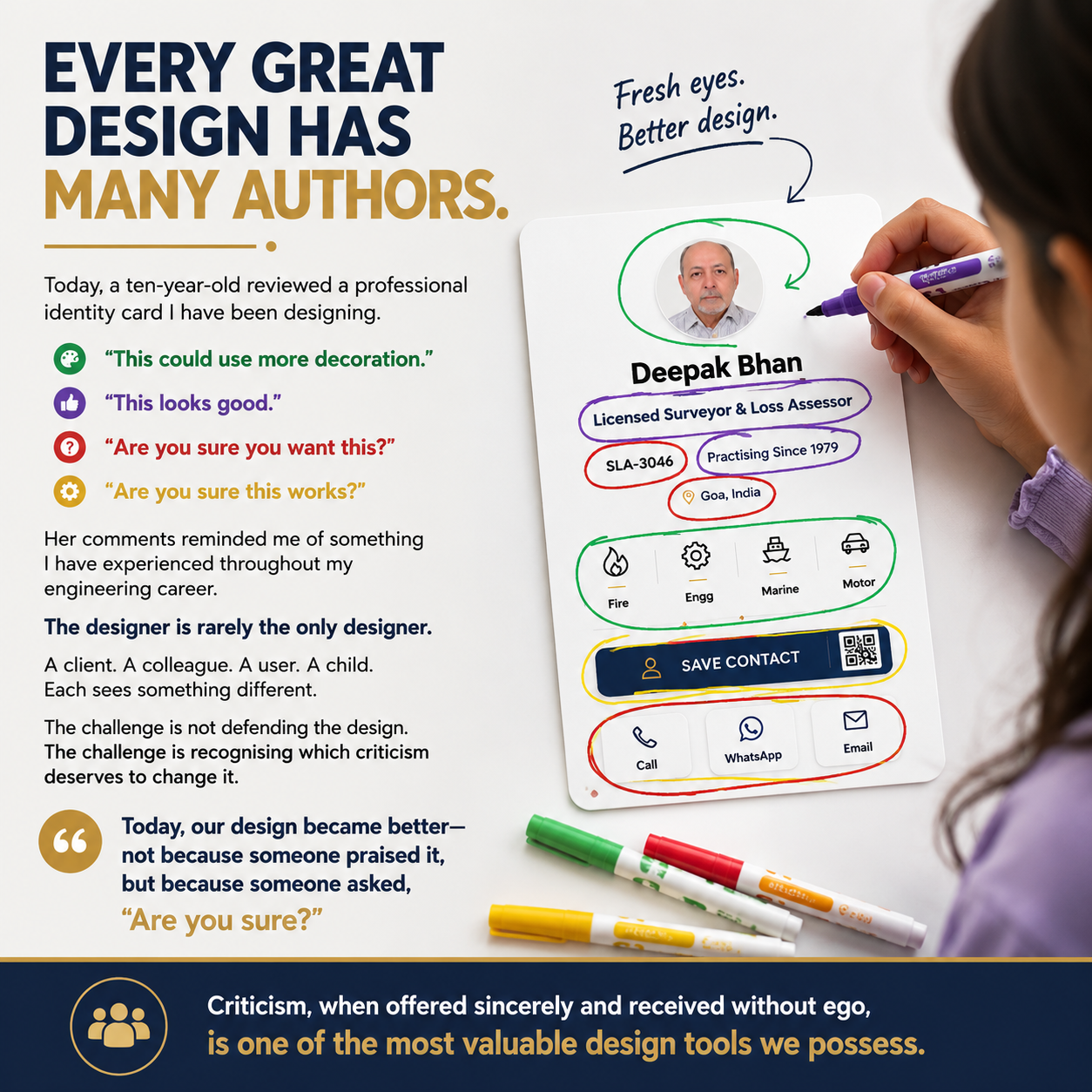
Today, a ten-year-old reviewed a professional identity card that I have been designing. She didn't know anything about insurance. She didn't know anything about surveying. She simply picked ...
Read article →
Experience taught me something very different. The best products are often built by solving the problems users haven't yet learned to describe. More than twenty years ago, a young surveyor t...
Read article →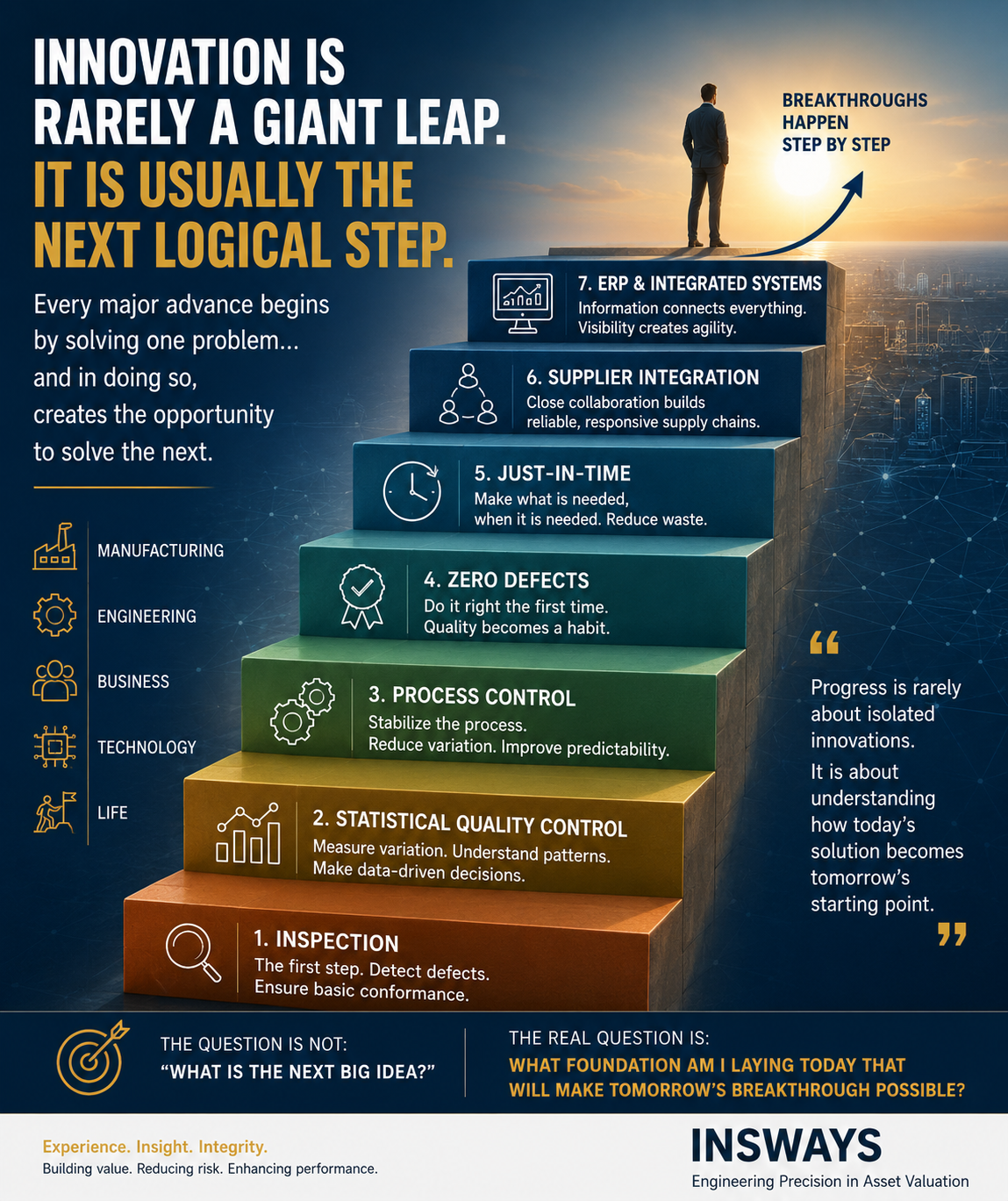
Looking back over my engineering career, one lesson stands out. Most breakthroughs don't happen because someone suddenly has a brilliant idea. They happen because solving one problem makes i...
Read article →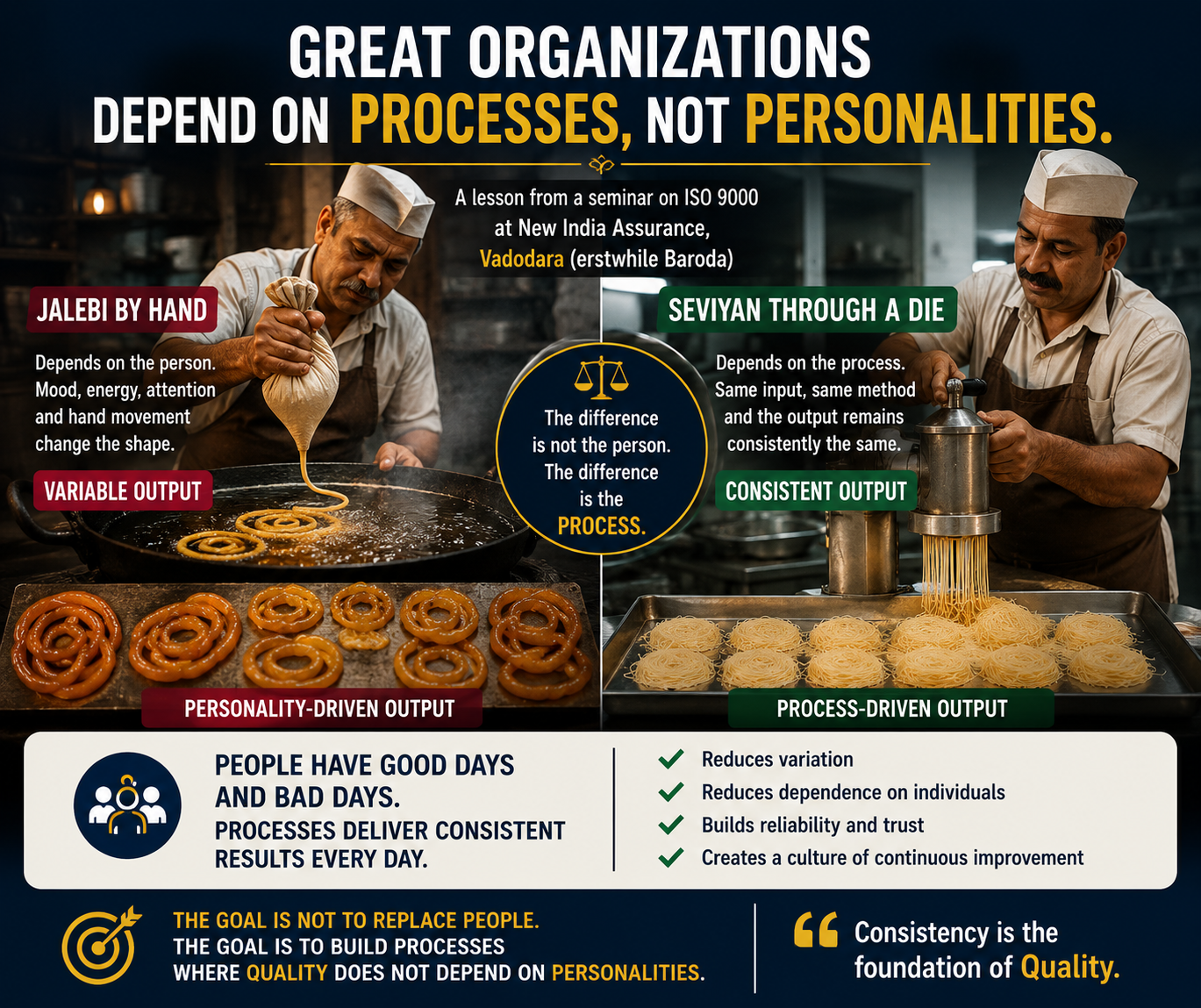
Many years ago, I was invited by New India Assurance to speak at a seminar in **Vadodara (erstwhile Baroda)** on ISO 9000. The discussion was full of technical jargon, and I could see many p...
Read article →
After more than 40 years of engineering, valuation, insurance claims, and asset audits, I have come to an interesting conclusion: The most valuable asset in any organization is usually not r...
Read article →
What if the Relay Race Teaches a Better Lesson Than "Winner Takes All"? One thought has been bothering me lately. Why do we celebrate so many systems where one person takes all the rewards, ...
Read article →
Today, at the age of 72, I find myself developing software with AI, reflecting on a lesson that has stayed with me for over half a century. Life, in my view, is not a 100-metre sprint. It is...
Read article →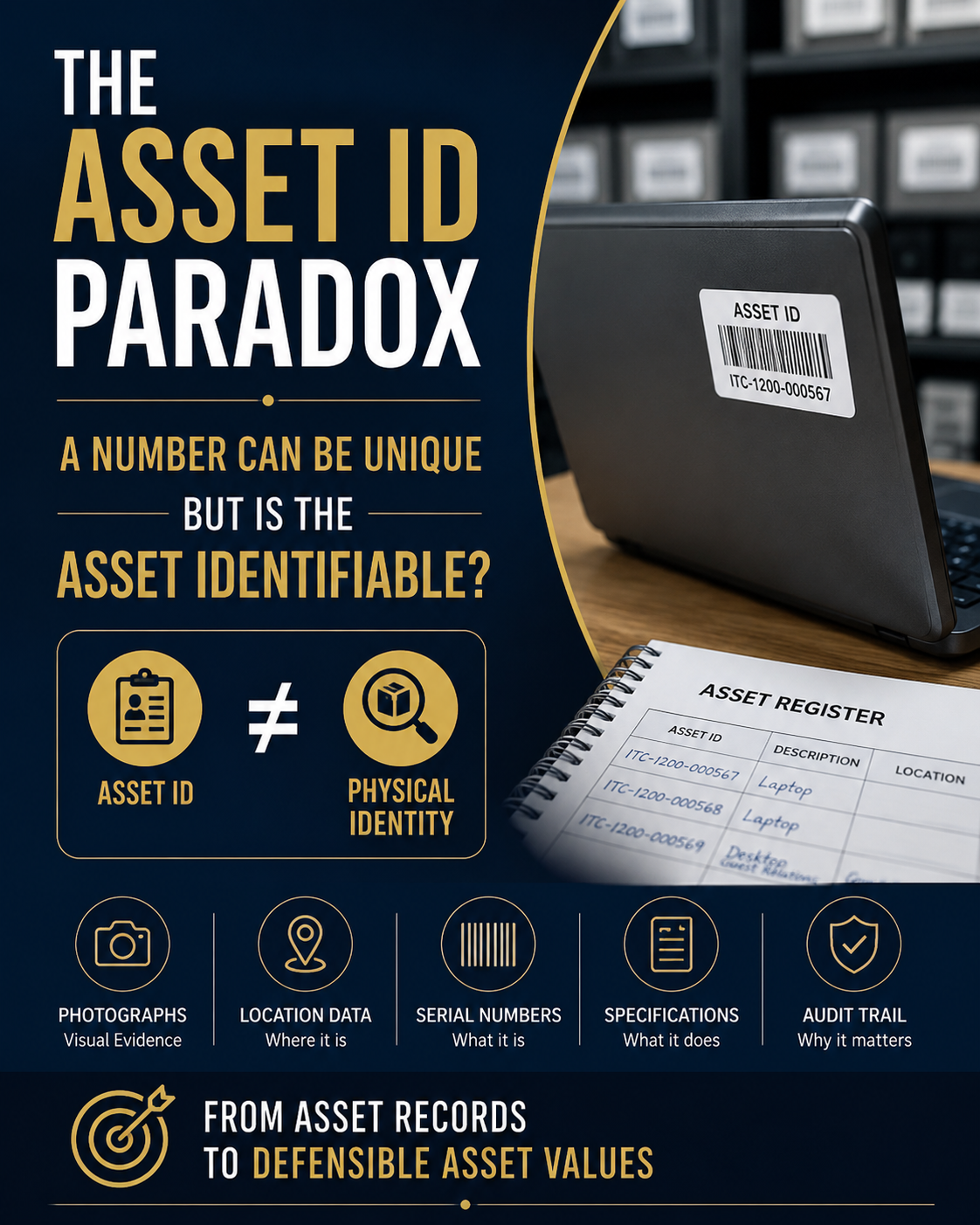
In fixed asset management, we often assume that assigning an Asset ID solves the identification problem. . It certainly helps. . But does it completely solve it? . Consider a simple example....
Read article →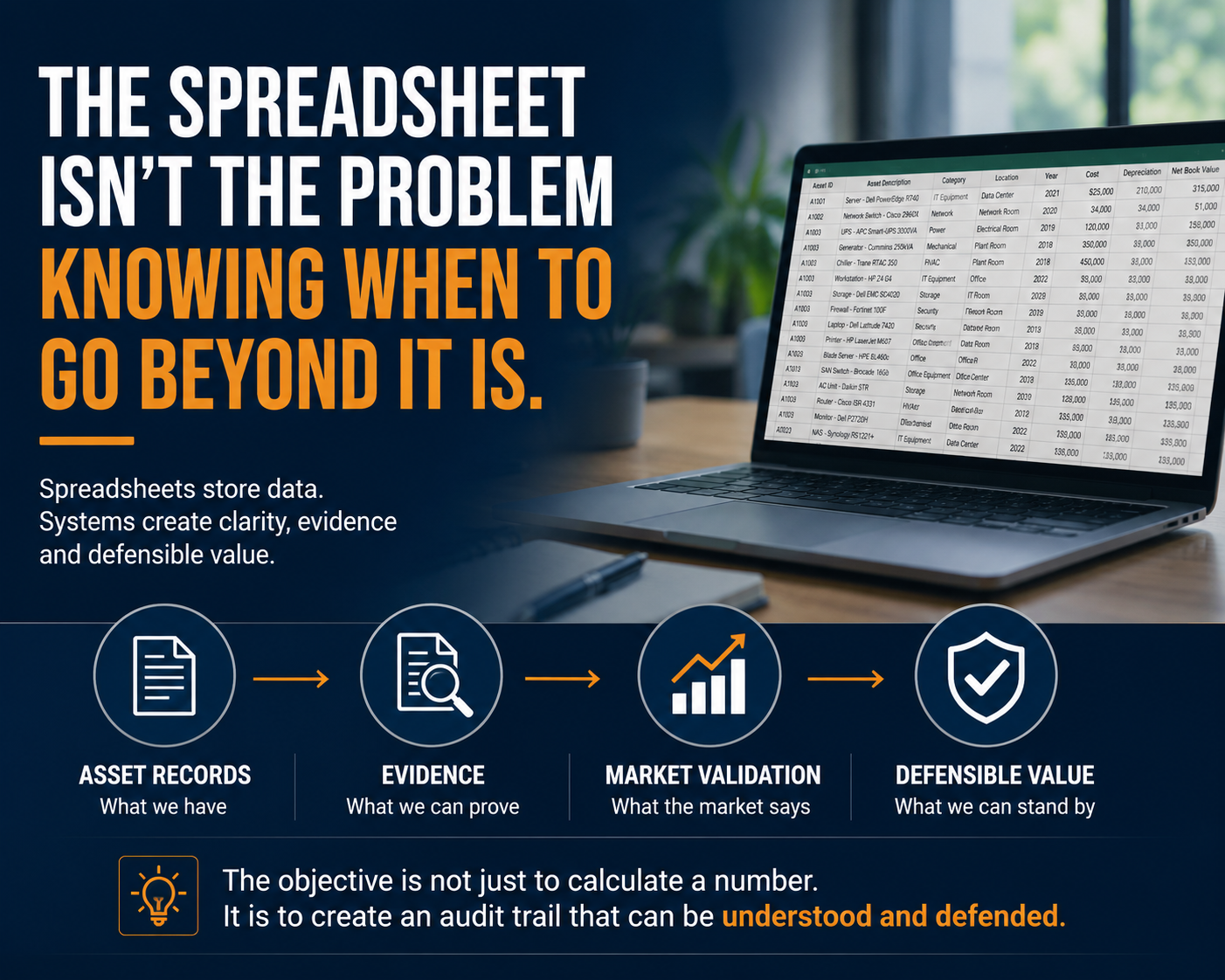
I have spent much of my professional life working with Fixed Asset Registers, reinstatement valuations, insurance reviews, and claim investigations. . One observation continues to surprise m...
Read article →
Growing up in India, I often watched roadside mechanics perform remarkable repairs with very limited tools. Sometimes, a stubborn nut would be loosened using a hammer and a chisel because th...
Read article →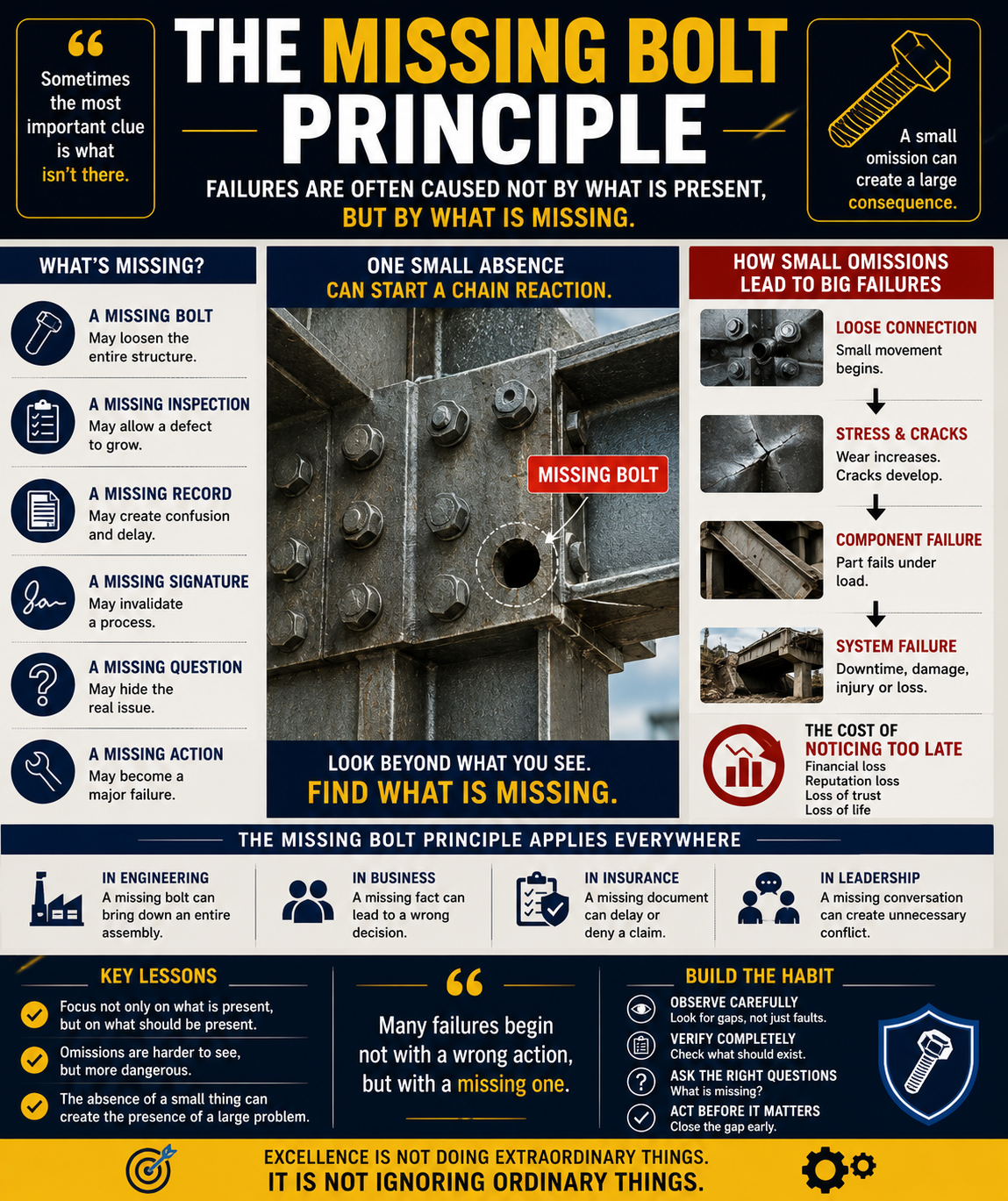
When a machine fails, people often look for the broken part. . But experienced engineers know that sometimes the most important clue is not what is there. . It is what is missing. . A missin...
Read article →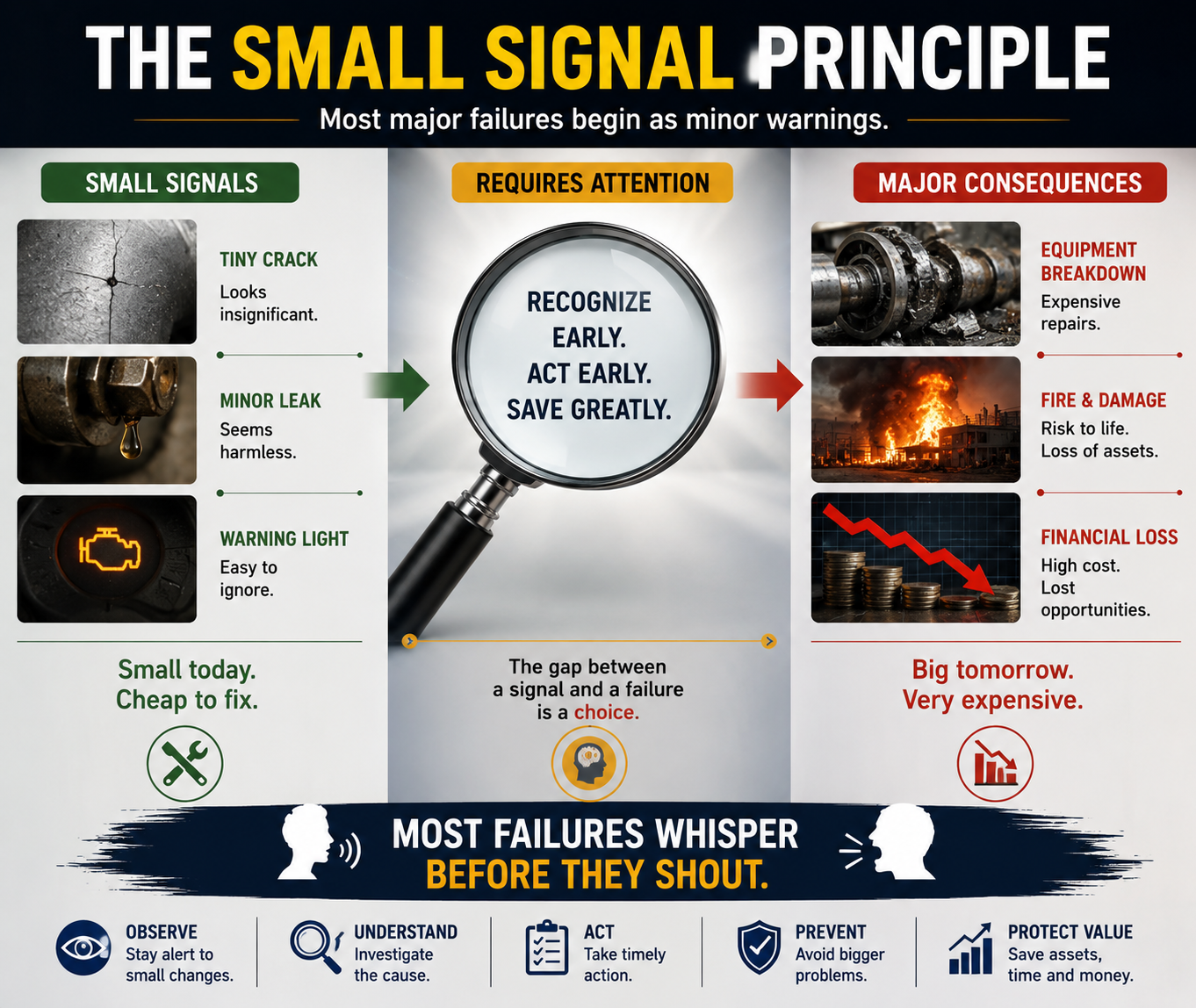
. One of the most expensive assumptions people make is: "It's only a small problem." . A slight vibration in a machine. . A minor oil leak. . An unusual smell. . A small crack in a wall. . A...
Read article →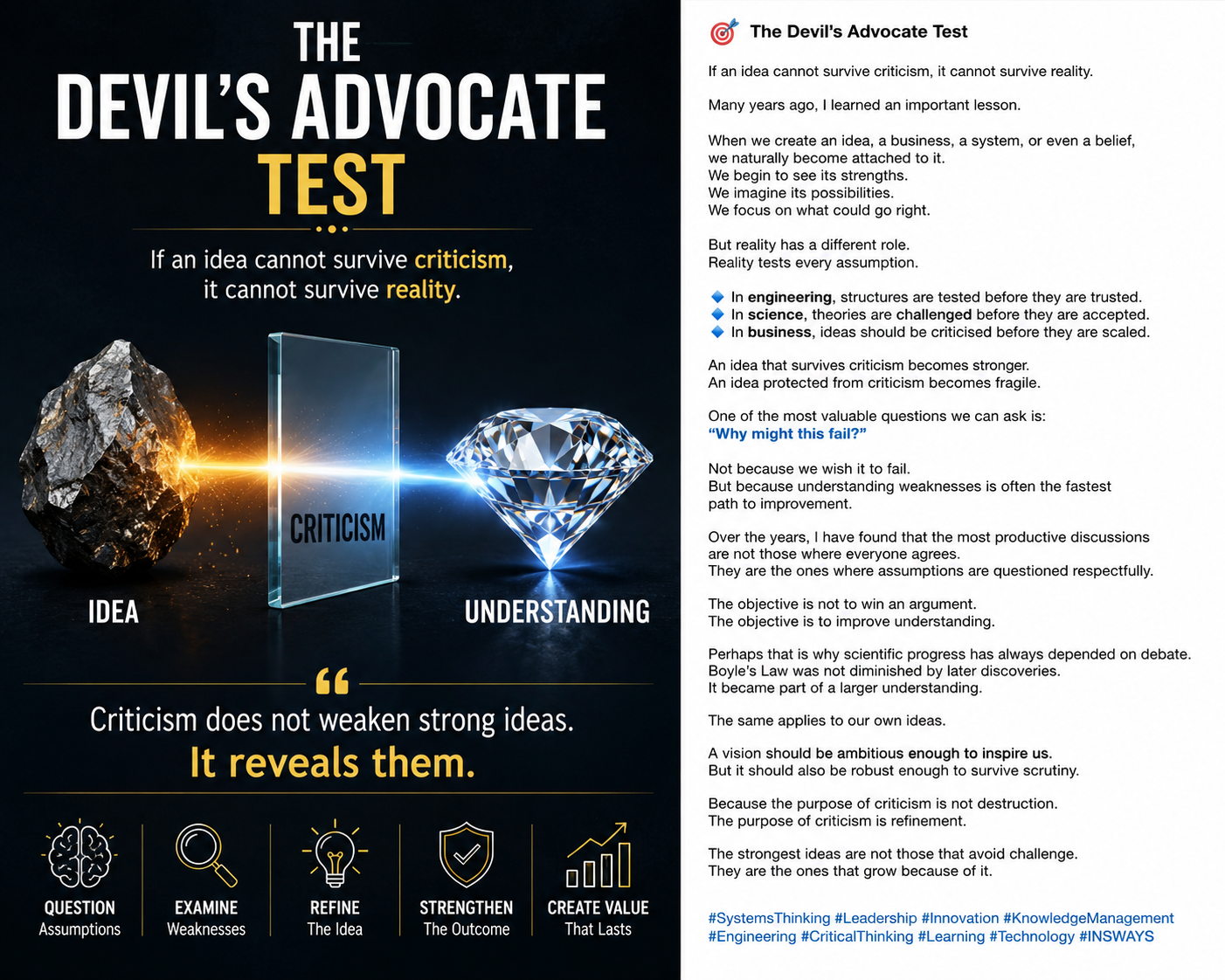
Many years ago, I learned an important lesson. . When we create an idea, a business, a system, or even a belief, we naturally become attached to it. . We begin to see its strengths. We imagi...
Read article →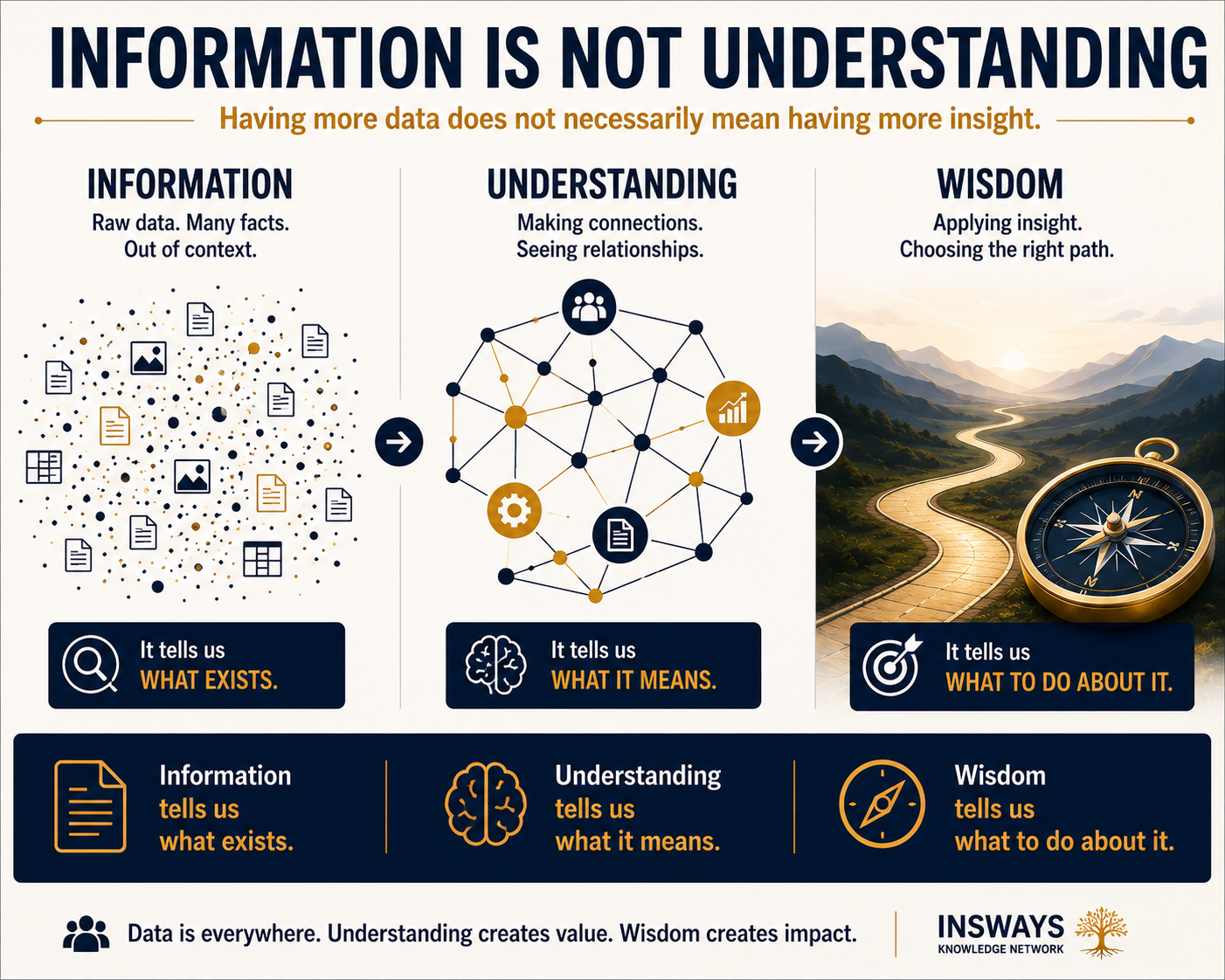
We live in an age where information is abundant. . In fact, information has become so abundant that many people assume that having information is the same as having understanding. . It is no...
Read article →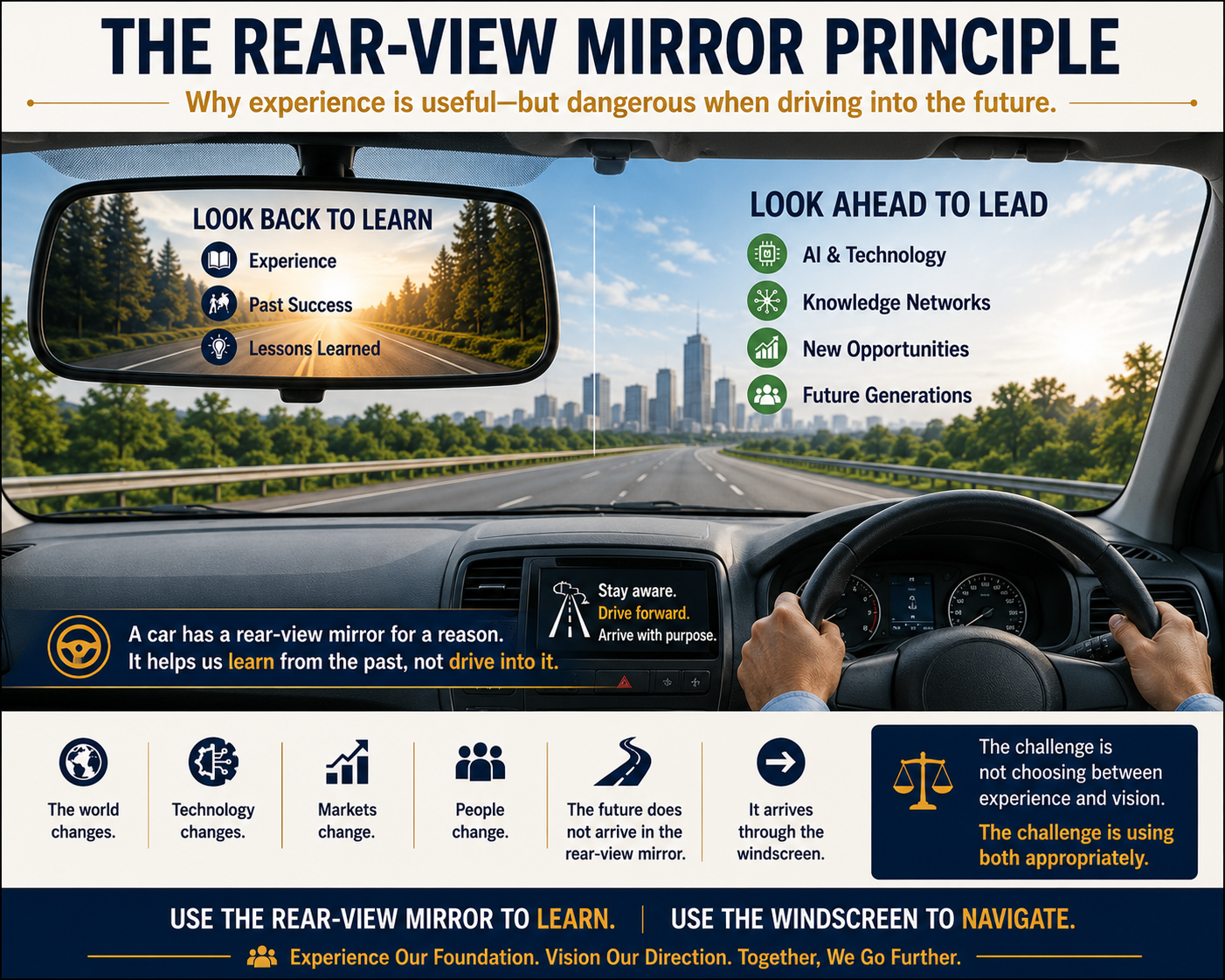
A car has a rear-view mirror for a reason. It helps us learn from what lies behind us. But imagine trying to drive while looking only into the rear-view mirror. An accident would be inevitab...
Read article →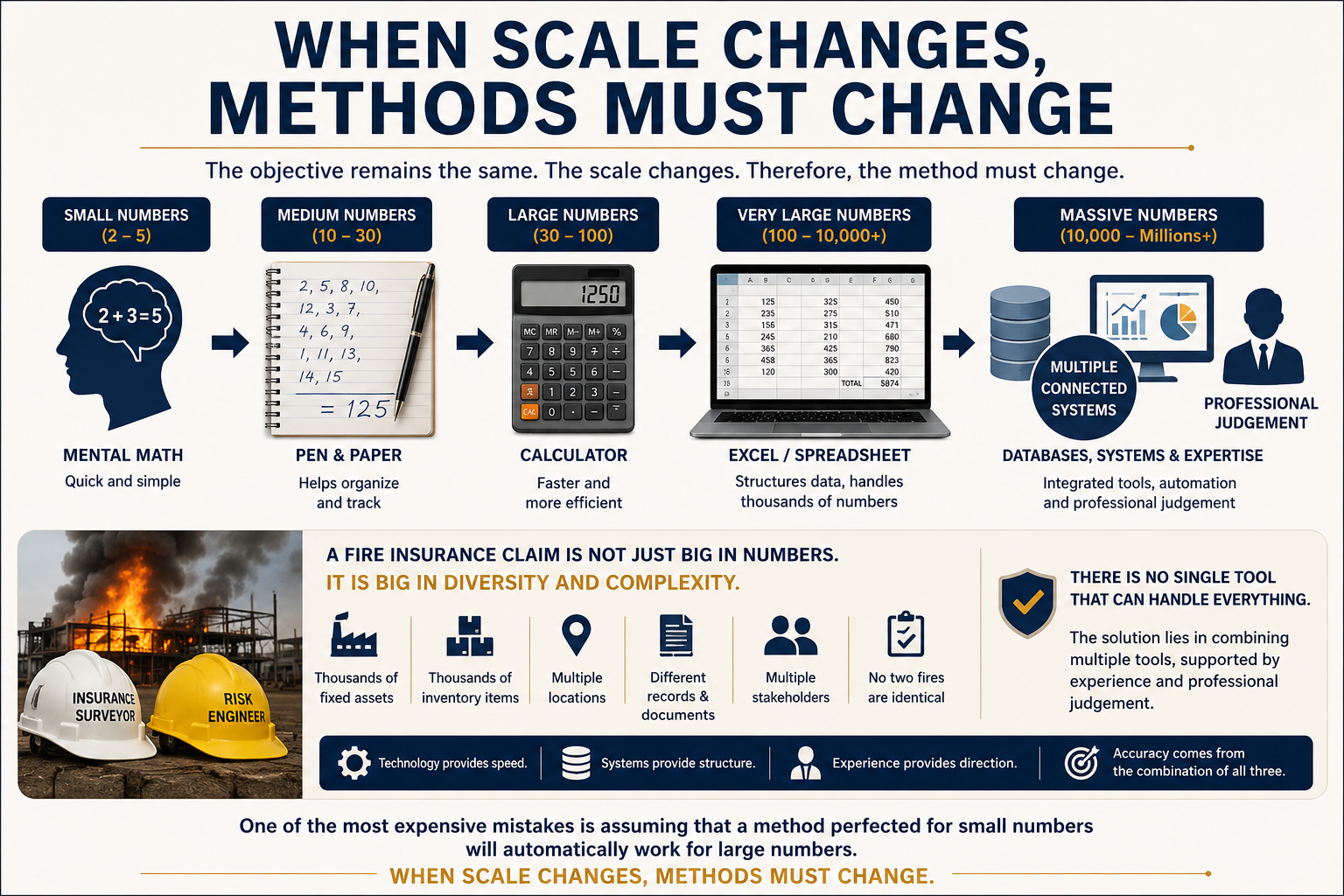
One of the most valuable lessons I have learned is that a method perfected for dealing with small numbers cannot simply be extended to deal with large numbers. If someone asks me to add 2 + ...
Read article →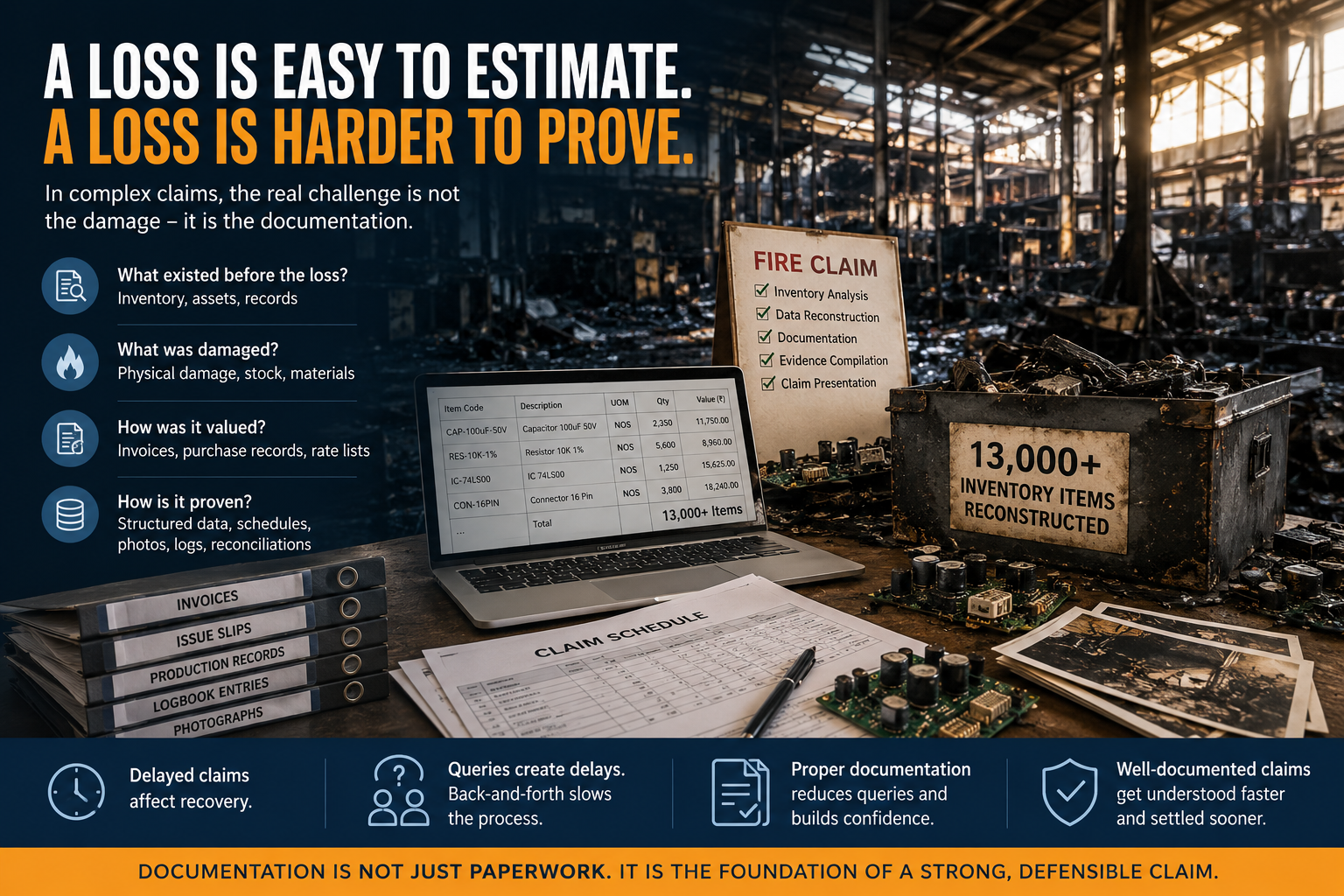
Many people believe that preparing an insurance claim is largely a matter of estimating the value of what has been damaged. In reality, that is often the easier part. Many years ago, I was i...
Read article →
Many years of engineering, valuation, and insurance investigations have taught me a simple lesson: The quality of the answer can never exceed the quality of the question. When things go wron...
Read article →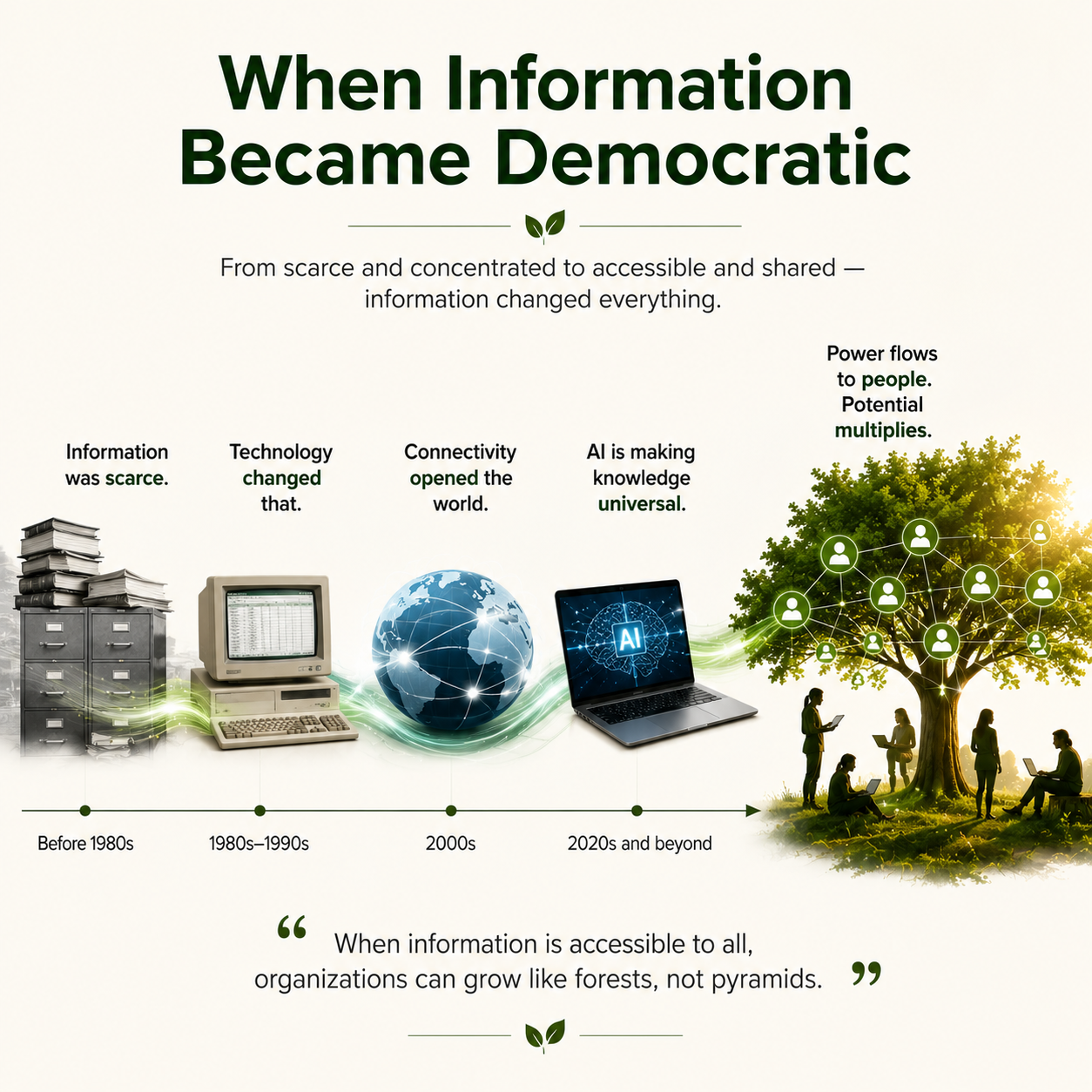
When I graduated from IIT Delhi in 1976, information was scarce. If you wanted technical knowledge, you went to a library. If you needed data, you searched through files. If you wanted exper...
Read article →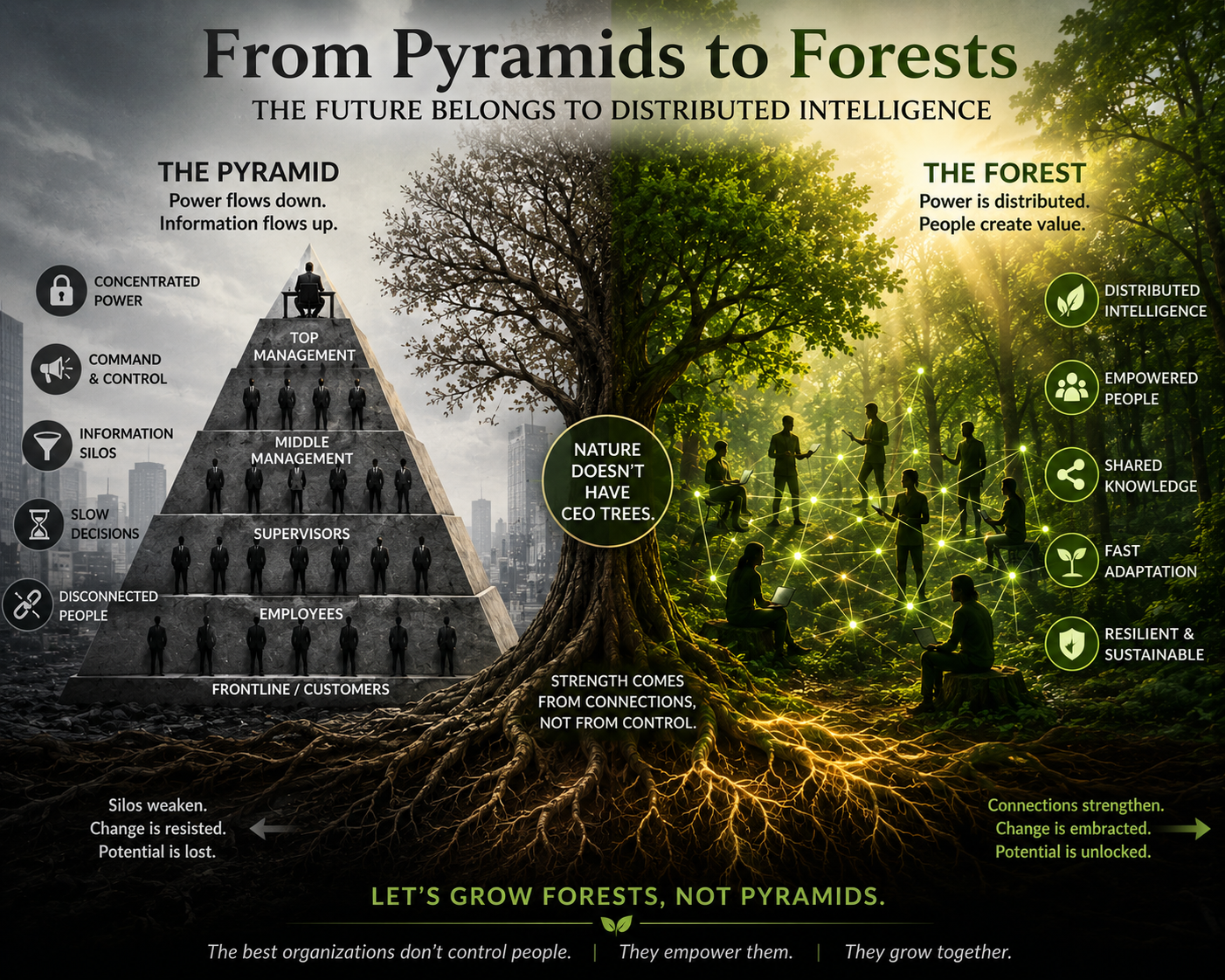
For most of my professional life, I worked within traditional organizational structures. Like most organizations, they were designed as pyramids. Authority at the top. Instructions flowing d...
Read article →
Many years ago, while resting under pine trees after a trek in Himachal with my young children, I asked them a simple question: "Do these fresh leaves look like the babies of the tree?" The ...
Read article →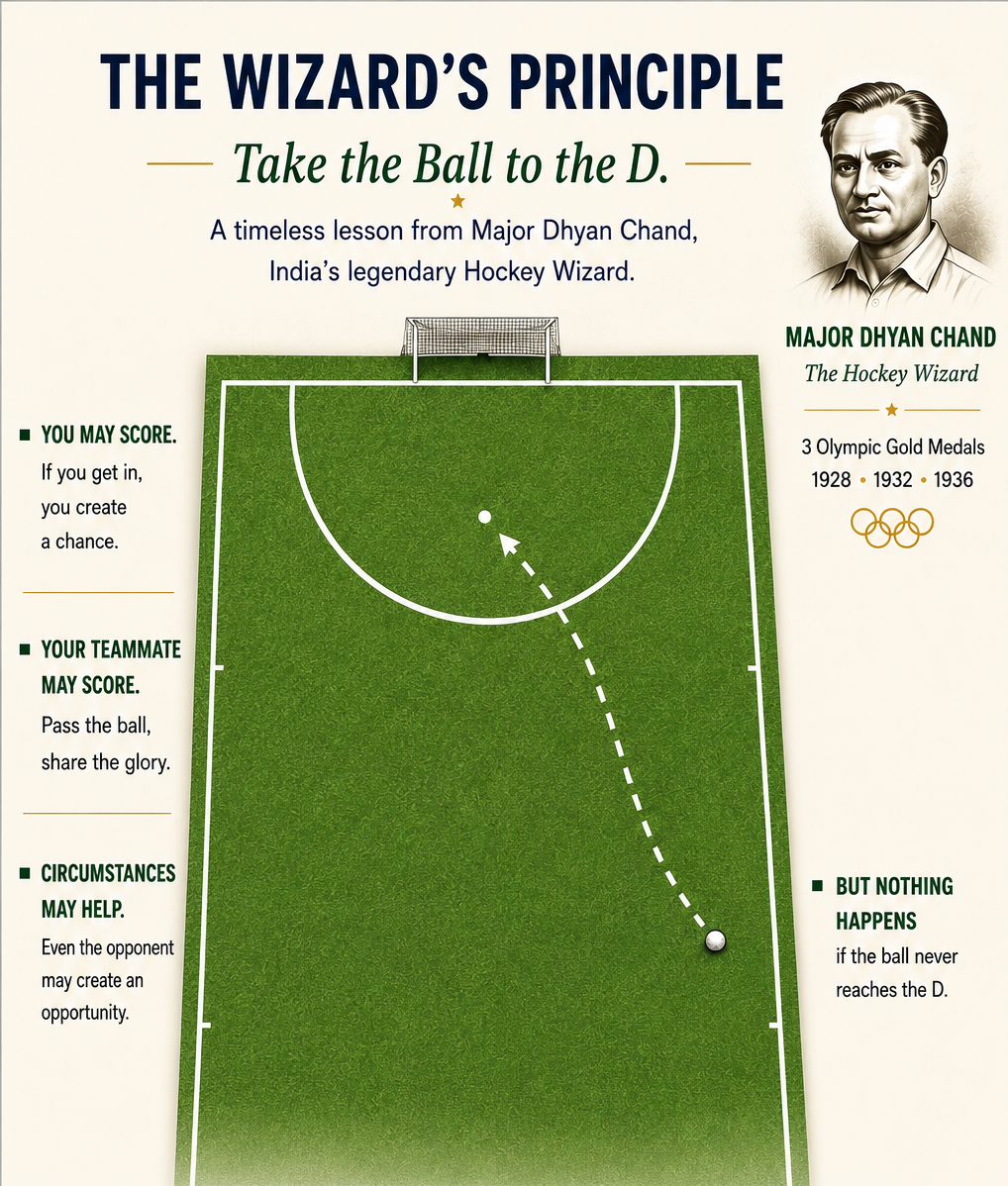
I was fortunate to be coached by Major Dhyan Chand, India's legendary Hockey Wizard. Among the many lessons he taught us, one has stayed with me throughout my life. During training, he would...
Read article →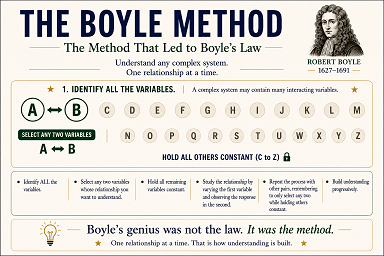
Most of us studied Boyle's Law in school. Some may still remember the equation. Many may remember that pressure is inversely proportional to volume. A few may even remember the condition: Pr...
Read article →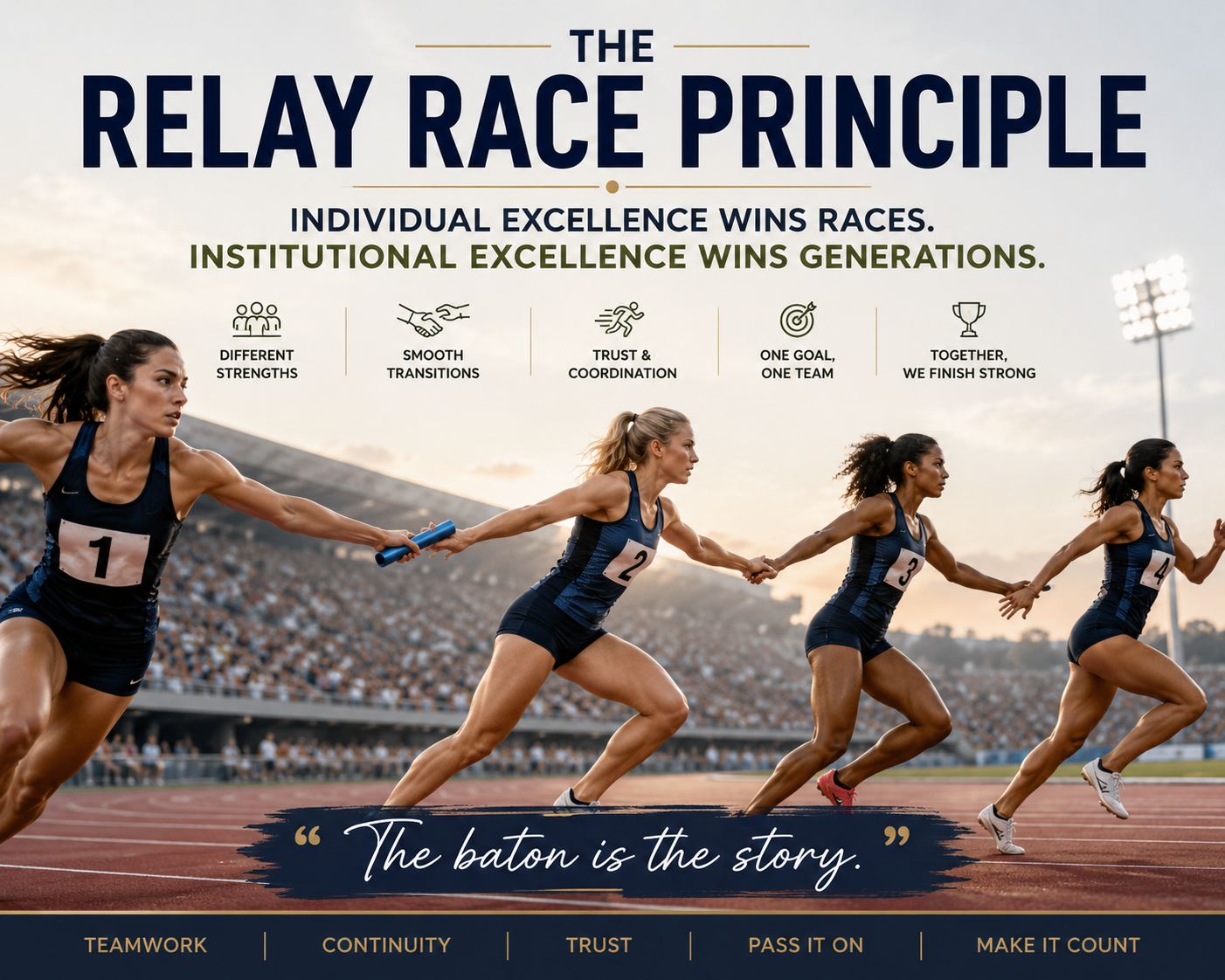
Most people admire the 100-metre sprint. The fastest individual wins. Nothing wrong with that. But what has always fascinated me is the relay race. Four runners. Different strengths. Differe...
Read article →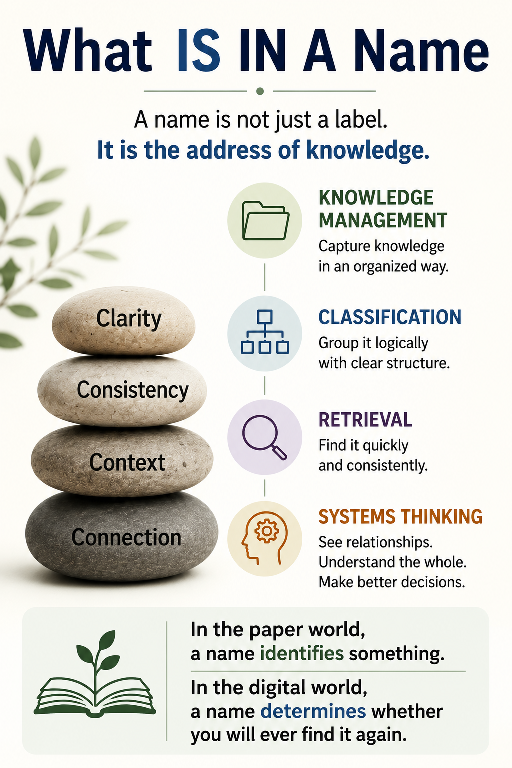
Many years ago, during a two-day workshop in Mumbai, we had an hour to spare after lunch before dispersing. Someone suggested we use the time for an informal discussion. I chose a simple top...
Read article →